BUKTA, Imre
Példabeszédek
Parables
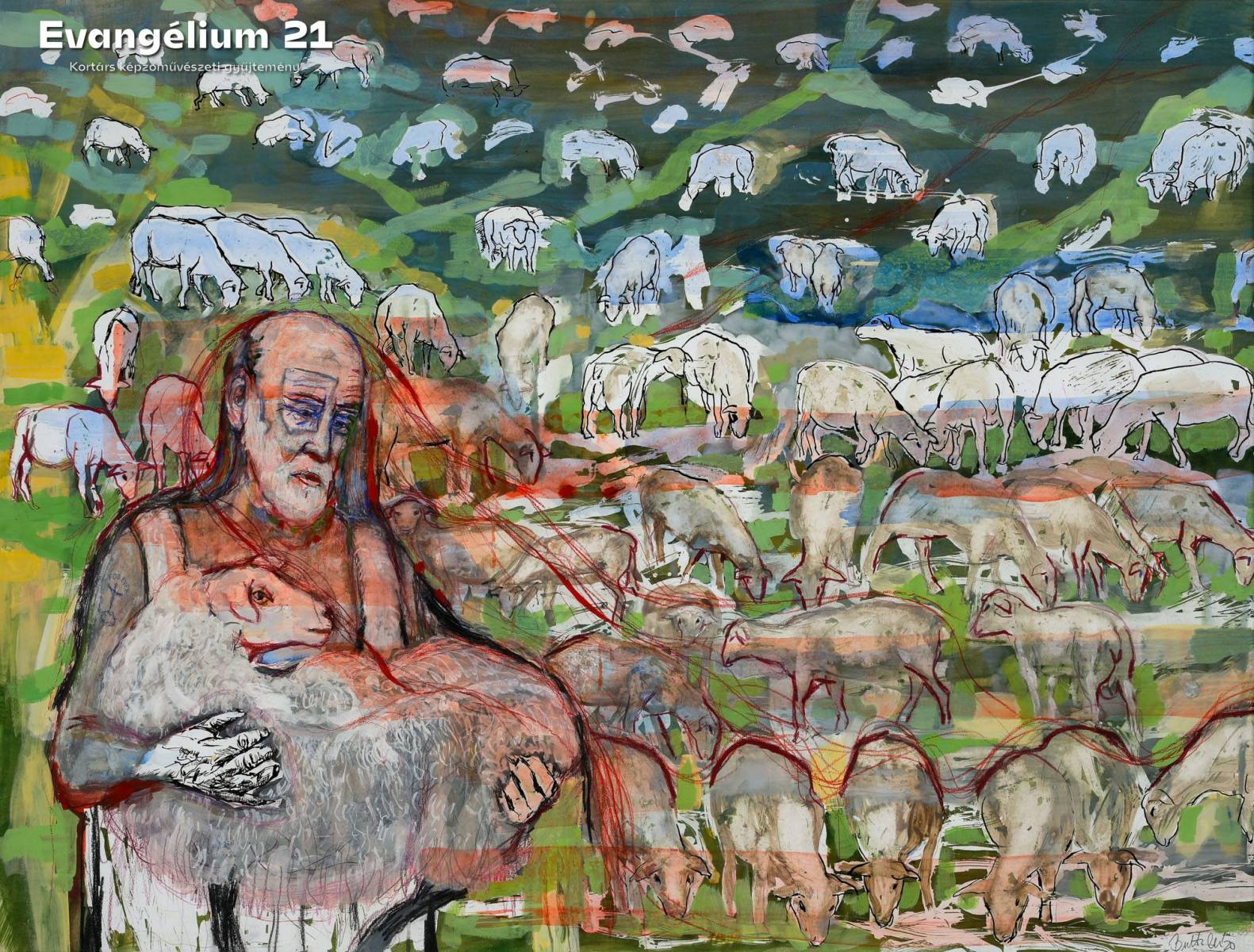
Jézus Krisztus, te szívesen beszéltél példázatokban. Tudtad, hogy az egyszerű napszámosok vagy éppen koldusok jobban értik a történeteket az aprólékos törvényértelmezéseknél. A szőrszálhasogatást meghagytad a farizeusoknak és az írástudóknak, te viszont mesélni akartál. Leültél a hegyen vagy folyóparton, nézted a természetet, és már tudtad is, hogyan lehet Isten országát szemléletessé tenni.
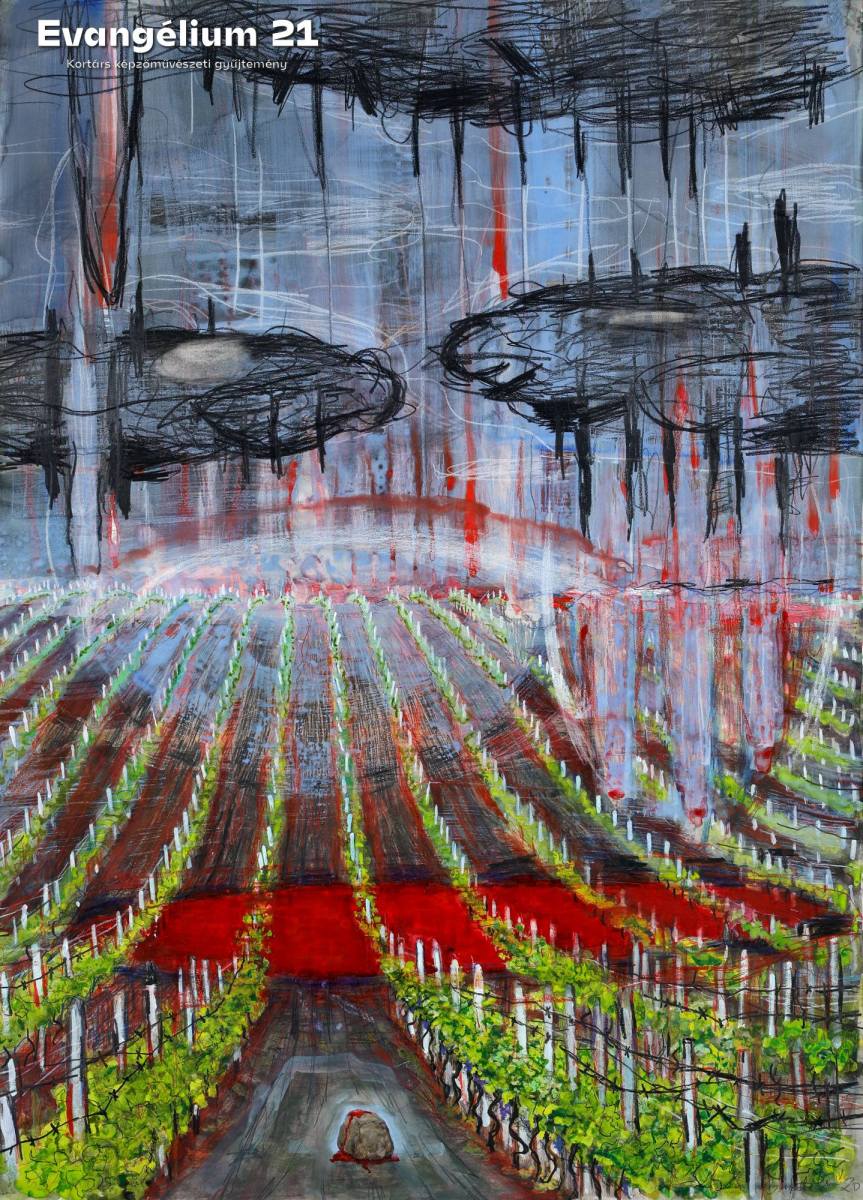
Ott álltál a palesztinai napszámos mellett, s értő szemmel nézted, hogy nyúl kötényébe, s szórja széles ívben szerte a magot, figyelted a halkan növekedő vetést: bosszankodtál, hogy a búza mellett konkoly is felüti fejét.
Figyelmesen nézted a kenyeret dagasztó asszony munkáját, talán édesanyádét, s tudtad, hogy egy egészen kicsi kovász az egész tésztát megkeleszti; ezt fölismerve aztán hirdetted, hogy Isten országa is ilyen kevéssel kezdődik, de ez a kevés mindent átjár, és éppen a lényeget adja.
Jesus Christ, you were pleased to speak in parables. You knew that simple day labourers or even beggars understood stories better than meticulous interpretations of the law. You left quibbling to the Pharisees and scribes, but you wanted to tell stories. You sat on a mountain or a riverbank, looked at nature, and you knew how to make the kingdom of God visible.
You stood beside the Palestinian day labourer, and watched with a knowing eye as he reached into his apron and scattered the seed in a wide arc, watched the quietly growing seed: you were annoyed that the wheat was being joined by the concoction of the concoction of the concolor.
You watched the work of the woman kneading the bread, perhaps your mother’s, and knew that a little leaven would leaven the whole loaf; and then, realizing this, you proclaimed that the kingdom of God begins with so little, but that this little is all-pervading and gives the very essence.