MÁTRAI, Erik
A négy evangélista
The four evangelists
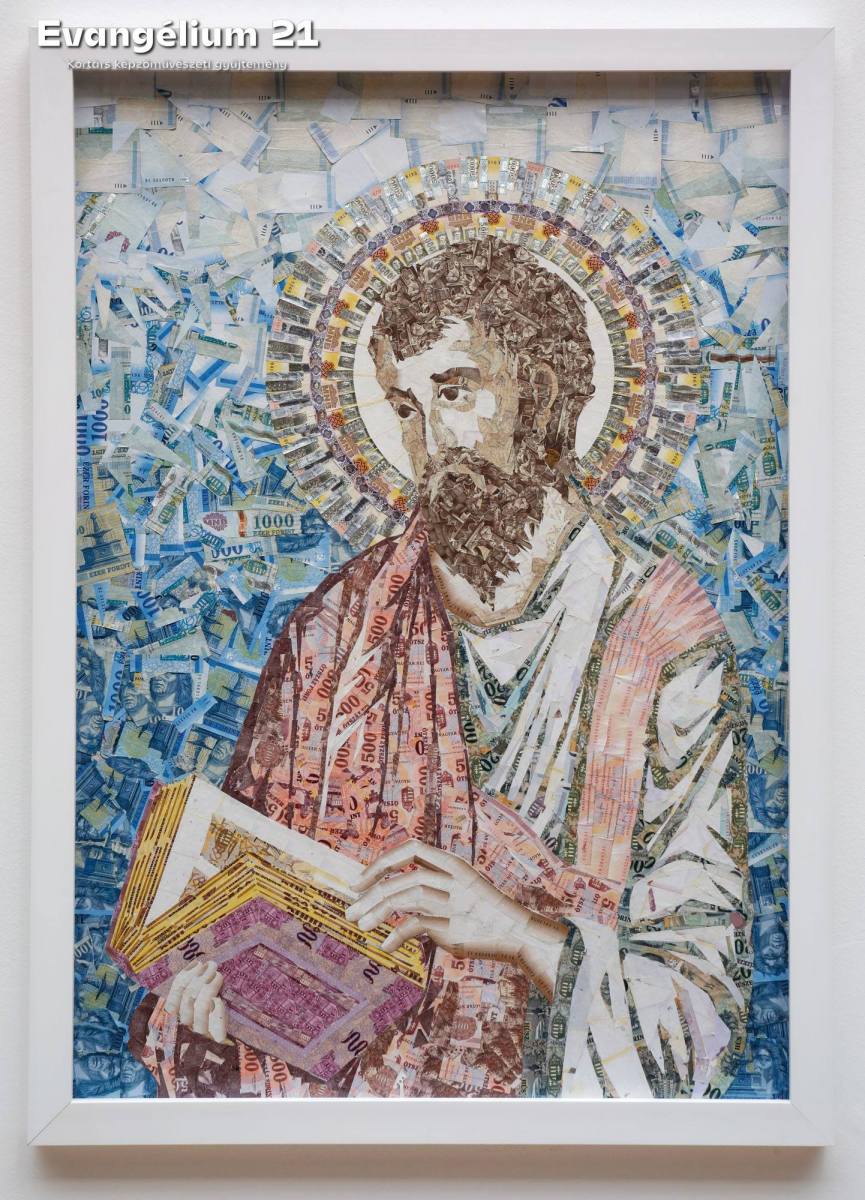
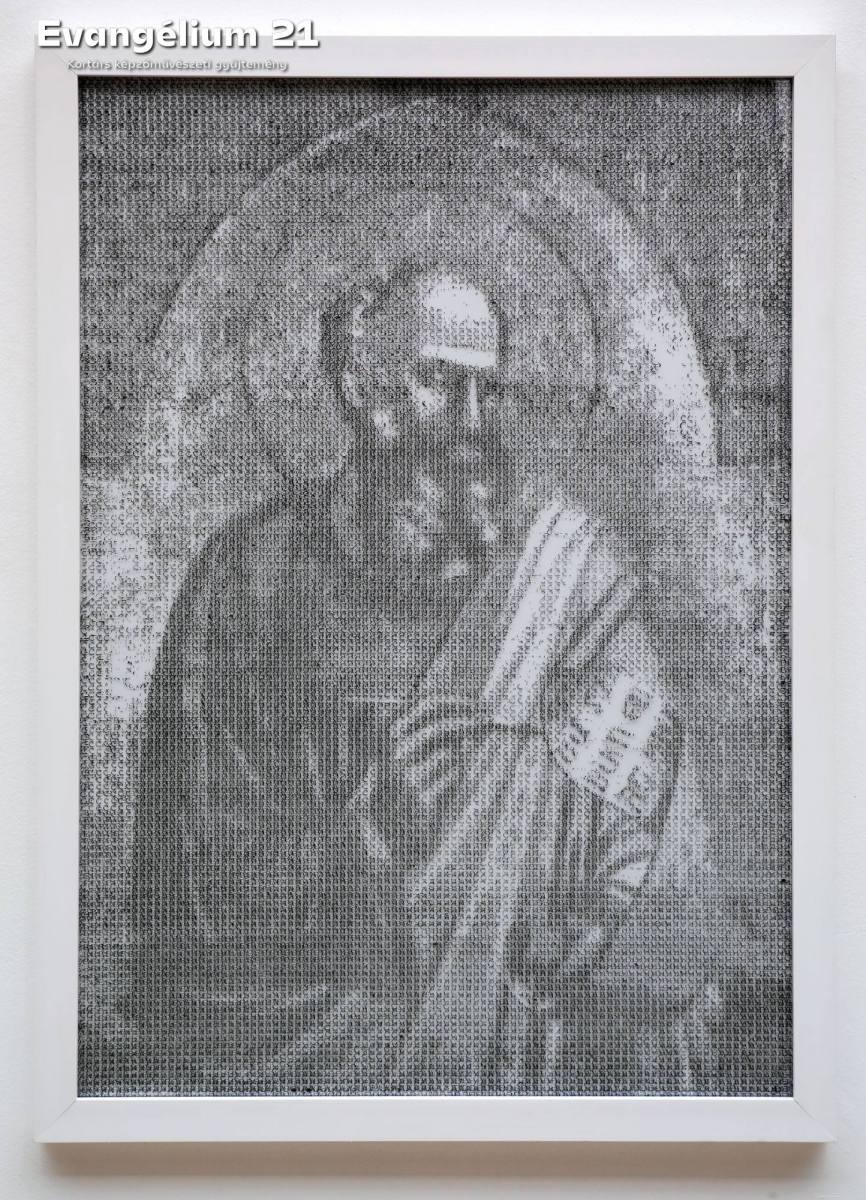
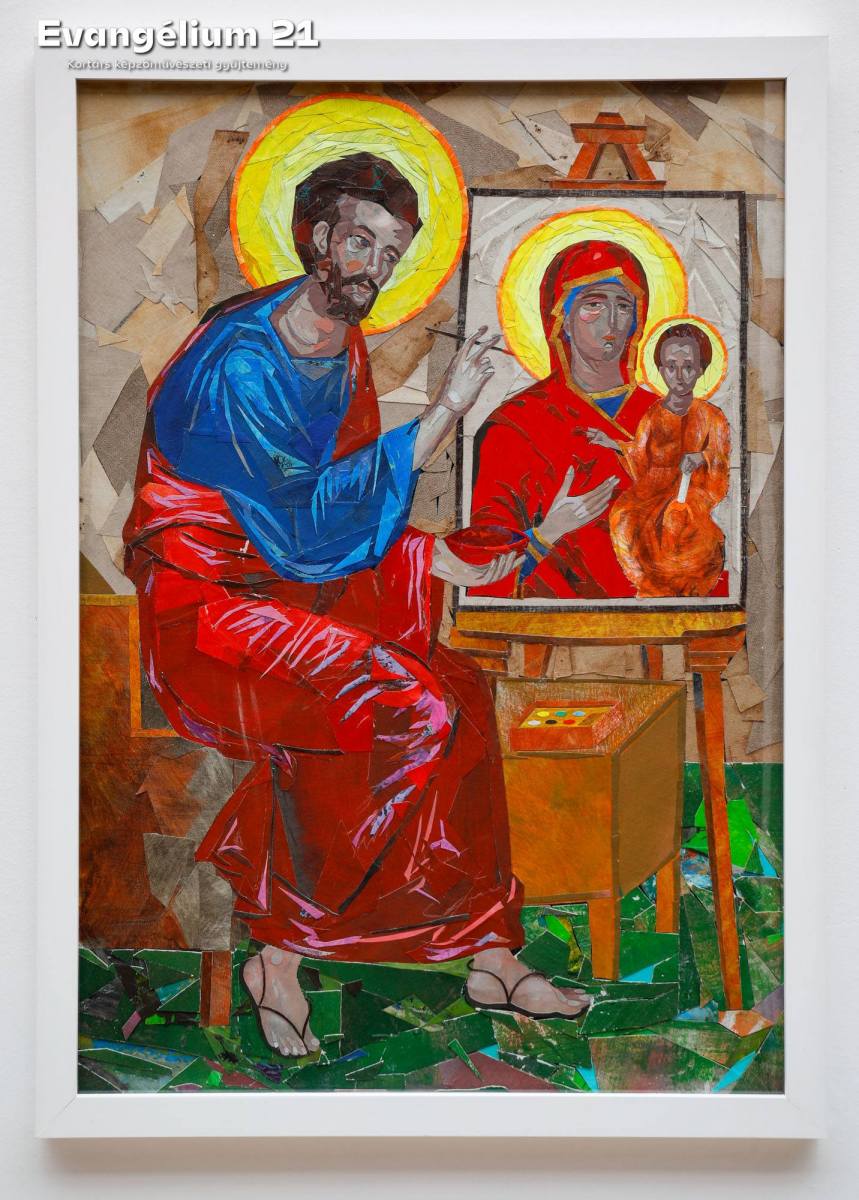
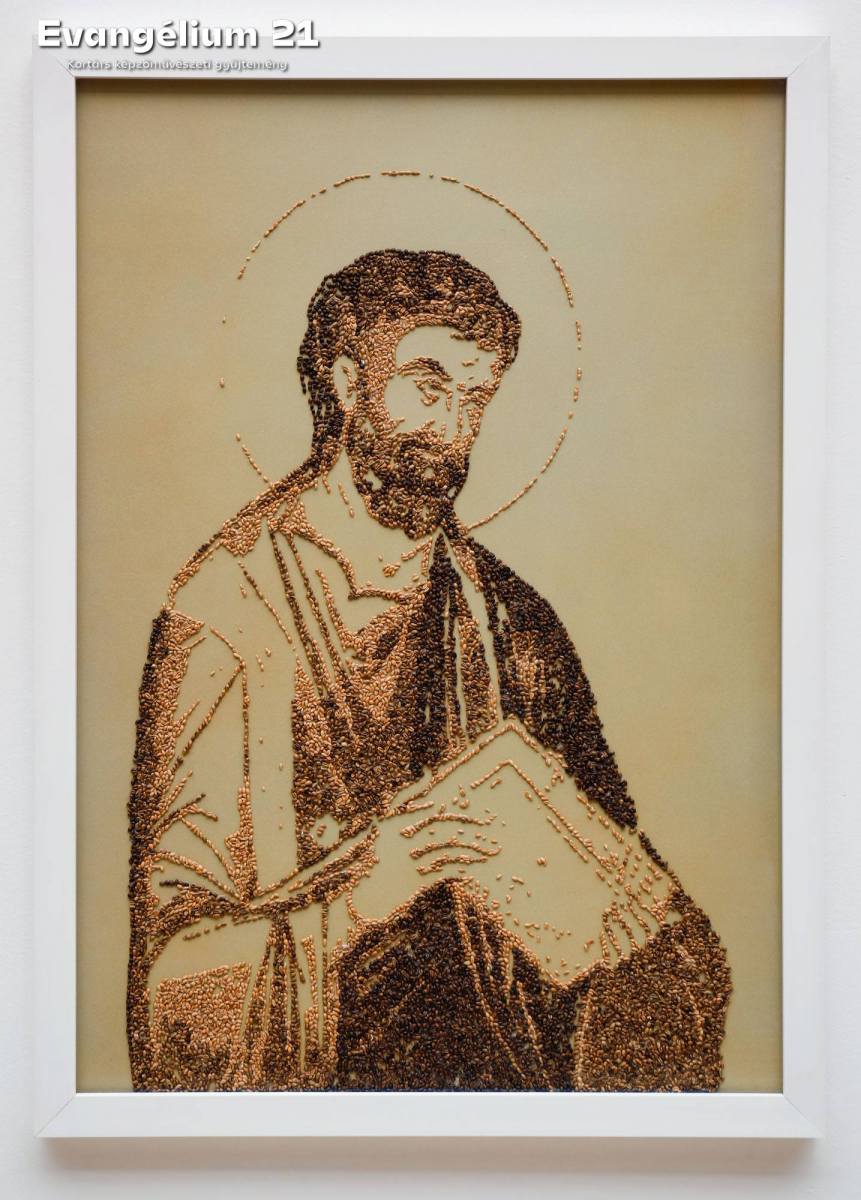
A Biblia, a Szentírás az emberiség történelmének legnagyobb hatású írása. A Biblia első része az Ószövetség, amely a Krisztus előtti idők Messiás-várásának történetét, imádságait, prófétai könyveit, bölcsességét tartalmazza. A Biblia második nagy egysége az Újszövetség, amely Krisztus életét, Krisztus apostolainak tetteit és leveleit, valamint a végső időkről szóló prófétai írásokat gyűjti egybe. Az újszövetségi Szentírásban négy evangélium található. Jézus arca négy emberarcon, négy emberi lelken átszűrődve mutatkozik meg. A kereszténység mindig is tudta és érezte, hogy ez a négy Krisztus-arc segít abban, hogy a négy gyönyörű, mégis a tárgyához viszonyítva gyarló leírás mögött megsejtsük az élő Krisztust, aki mind a négyen túlnő.A négy evangélista, Máté, Márk, Lukács és János önmagukon, a lelkükön, a közösségeik évtizedes hagyományán, a Lélek által vezetett áthagyományozás évtizedein szűrték át a szavakat, amelyeket azután leírtak.
The Bible, the Holy Scriptures, is the most influential writing in human history. The first part of the Bible is the Old Testament, which contains the story of the Messianic expectation of the time before Christ, his prayers, his prophetic books and his wisdom. The second major section of the Bible is the New Testament, which brings together the life of Christ, the deeds and letters of Christ’s apostles, and the prophetic writings of the end times. The New Testament contains four Gospels. The face of Jesus is revealed in four human faces, filtered through four human souls. Christianity has always known and felt that these four faces of Christ help us to see behind the four beautiful, yet in comparison with their subject, feeble descriptions, the living Christ who outgrows them all.The four evangelists, Matthew, Mark, Luke and John, filtered the words they then wrote through themselves, through their souls, through decades of tradition in their communities, through decades of Spirit-led handing down.